Comment parler de ce que l'on fait ?
Curieux comme idée, pour un type qui s'exprime si peu en tant qu'artiste, de faire un blog. Croyez-moi, je me pose la question régulièrement. Surtout au regard de la série d'EP Temples (spoiler il y en aura trois), mais aussi d'un évènement récent, la mort de David Lynch.
David Lynch était un mentor pour moi, dans la vie artistique, comme dans la vie personnelle. Je me souviens, jeune avoir été très tôt fan, comme beaucoup via Twin Peaks grâce à mon frère, puis Lost Highway grâce ma soeur, et puis par moi-même avec Blue Velvet et les courts-métrages. Et puis il y a Mulholland Drive pendant la période Psykick Lyrikah aussi. Un film important qui se ressent plus qu'il ne se comprend la première fois. Du moins jusqu'à qu'on prenne connaissance des indices de lecture qui ont été communiqués avec le DVD.
1. Soyez particulièrement attentif au début du film : au moins deux clés sont révélées avant le générique.
2. Observez bien lorsqu'un abat-jour rouge apparaît à l'écran.
3. Parvenez-vous à entendre le titre du film pour lequel Adam Kesher auditionne des actrices ? Ce titre est-il mentionné à nouveau ?
4. Faites attention à l'endroit où se déroule l'accident.
5. Qui donne la clé bleue et pourquoi ?
6. Faites attention à la robe, au cendrier, à la tasse à café.
7. Au club "Silencio", quelque chose est ressenti, on réalise quelque chose, les éléments se rassemblent... Mais quoi ?
8. Camilla n'a-t-elle réussi que grâce à son talent ?
9. Faites attention aux détails autour de l'homme derrière "Winkie's".
10. Où est Tante Ruth ?
Et puis il y a eu une grande pause, pendant laquelle je me suis demandé "Mais pourquoi sortir des films que personne ne capte en disant qu'il faut ressentir snas trop intellectualiser pour finalement donner des clés de lecture quand même ? Alors ok c'est crypté, on y vient.
Et étrangement, heureusement, celle qui est maintenant mon épouse, a remis le couvert en m'offrant le livre de David Lynch "Mon Histoire Vraie".
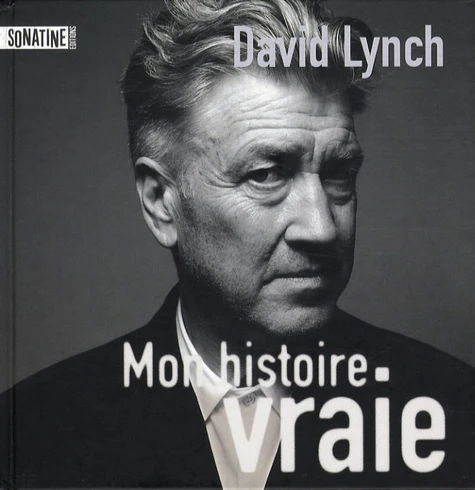
Un bien beau livre, peu de texte, un bien beau papier, épais et granuleux, un format carré qui fait penser à un petit disque, et surtout une manière de communiquer des concepts à la fois profonds et simples, sans être très précis sur sa vie personnelle. Il y a quand même des anecdotes mais l'idée générale est quand même de maintenir un équilibre fragile : celui entre l'artiste, l'oeuvre et vous messieurs-dames. Ce livre a un drôle de goût, autobiographique mais pas vraiment, fan service un peu mais sans réelle intention de le faire (vous voyez Lynch faire du fan service vous ?). Lynch était quelqu'un d'assez premier degré, donc je pense que ce qu'il voulait c'était dire sans imposer des faits, et faire des ponts avec nos expériences, juste à un niveau et en utilisant un langage bien particuliers. Ce qui explique sûrement le peu de livraison personnelle au cours des divers entretiens donnés par Lynch au cours, même les très bons et longs avec Chris Rodley.
Temples est une série en trois EP qui est très autobiographique. D'ailleurs, ouf, le deuxième épisode avance bien, mais c'est encore compliqué de promettre une date (2026 ça va ?). J'ai toujours fait de l'autobiographie d'ailleurs, même dans Psykick. Et d'ailleurs, même si on ne veut pas, ce qu'on produit artistiquement sera forcément un miroir plus ou moins direct de quelque chose. Je doute qu'on puisse réellement sortir de ça (et ce même si on bosse avec de l'IA, mais c'est un autre sujet). J'ai ongtemps lutté avec ça, ce qui a donné lieu à, jeune, des interviews pourries, incompréhensibles et limite gênantes, et moins jeune, des interviews où l'on se demande un peu pourquoi j'ai accepté si c'est pour répondre en si peu de mots.
Récemment j'ai décidé de faire du rangement dans mes manière de produire: ce que je produis pour moi ne finis jamais chez les autres, et vice-versa, ce que je produis pour les autres est produit pour les autres dès le départ avec une intention définie (plus ou moins clairement). Une manière de reproduire ces ponts invisibles dans une intention et un langage différents.
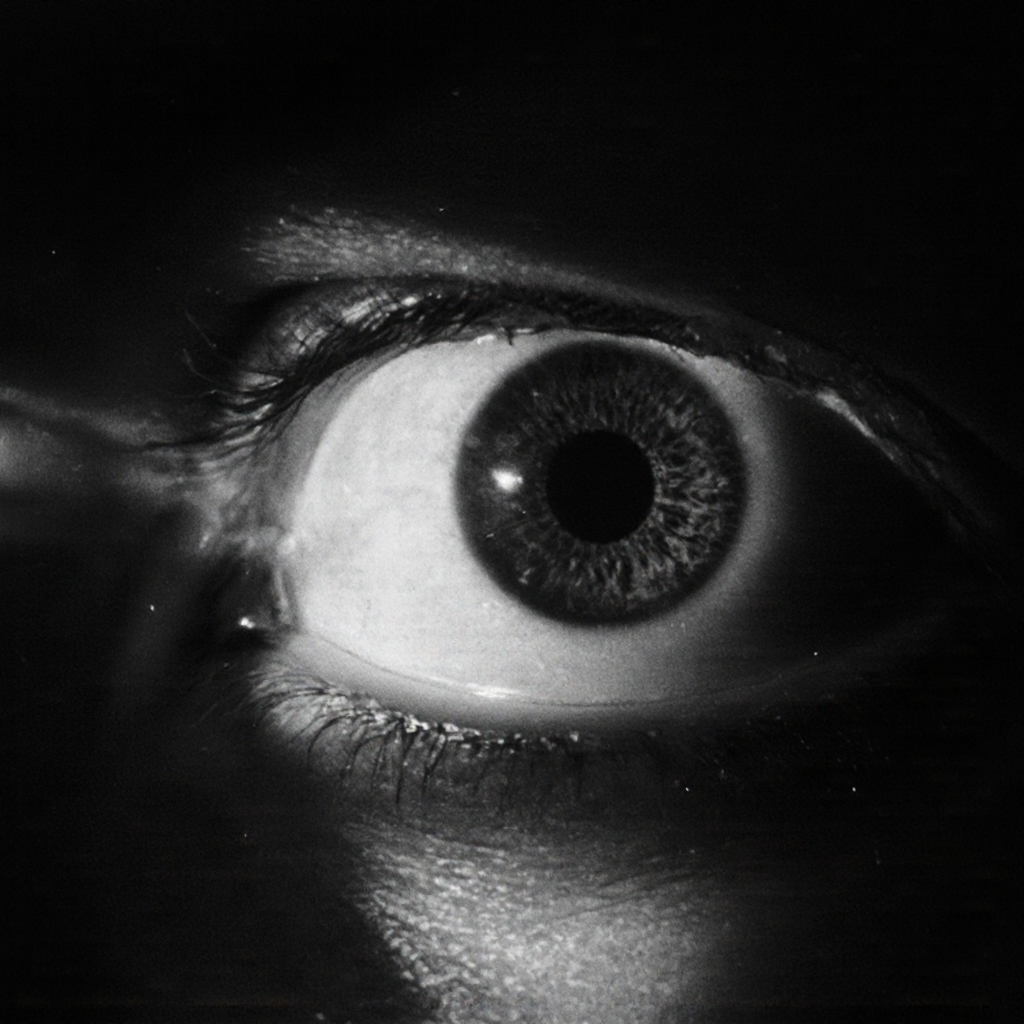
Mais alors pourquoi 3 pochettes en noir et blanc, des chiffres romains dans le désordre, si peu de texte dans la communication ? J'ai donc eu envie, moi aussi, de donner quelques indices. J'espère que ce petit billet vous aura plus, autant que j'ai aimé l'écrire, et je vous dis à la prochaine fois.
- Qu 'y a-t-il sur les photos ?
- Les chiffres romains forment 2 listes parallèles, qu'est-ce que ça veut dire ?
- 3 EPs
English Version below :
Curious idea, isn’t it, for someone who speaks so little as an artist, to start a blog. Believe me, I ask myself that question often. Especially in light of the Temples EP series (spoiler: there will be three), but also because of a recent event — the death of David Lynch.
David Lynch was a mentor to me, both in my artistic life and my personal one. I remember becoming a fan very early on — like many, it started with Twin Peaks through my brother, then Lost Highway thanks to my sister, and later on my own with Blue Velvet and the short films. And then came Mulholland Drive, during the Psykick Lyrikah period. It’s an important movie — one that you feel more than you understand the first time. At least until you discover the viewing clues that came with the DVD:
- Pay close attention to the beginning of the film: at least two clues are revealed before the credits.
- Notice when a red lampshade appears on screen.
- Can you hear the name of the movie for which Adam Kesher is casting actresses? Is that title mentioned again?
- Watch carefully where the accident takes place.
- Who gives the blue key, and why?
- Notice the dress, the ashtray, the coffee cup.
- At Club “Silencio”, something is felt, something clicks, things come together... but what?
- Did Camilla succeed purely on her own talent?
- Pay attention to the details around the man behind “Winkie’s”.
- Where is Aunt Ruth?
Then came a long pause — a period when I asked myself, Why make films nobody understands, telling us to feel rather than overthink, only to give us clues anyway? Well, alright, it’s cryptic — that’s the point. And strangely, thankfully, the person who’s now my wife brought the topic back by gifting me David Lynch’s book Catching the Big Fish.
A beautiful book — few words, thick textured paper, a square format that almost feels like a small record. More importantly, a way of communicating ideas that are both deep and simple, without being too personal. There are a few anecdotes, but the main intent seems to be maintaining a fragile balance — between the artist, the artwork, and you, dear reader.
The book has a peculiar taste — partly autobiographical, a touch of fan service maybe, but without any intent behind it (can you picture Lynch doing “fan service”?). He was a very straightforward person, so I think what he wanted was to say things without imposing facts, to build bridges with our own experiences, using a very specific level and language. That explains, I think, the lack of personal delivery in many of his interviews, even the great, detailed ones with Chris Rodley.
Temples is a three-part EP series that’s deeply autobiographical. The second one is coming along nicely, but it’s still hard to commit to a release date (2026, maybe?). I’ve always done autobiography, even in Psykick. And honestly, even if you try not to, what you create artistically will always end up being a mirror of something. I doubt we can truly escape that — even when working with AI (but that’s another topic).
I struggled with that for a long time, which led to early interviews that were awkward, unclear, borderline embarrassing, and later on to interviews that made people wonder why I even accepted, since I barely said a word.
Recently, I decided to clean up my creative process: what I make for myself never ends up in others’ hands, and what I make for others is clearly meant for them from the start, with a defined (if not always explicit) intention. It’s a way of rebuilding those invisible bridges, but with a different purpose and language.
So why three black-and-white covers, Roman numerals out of order, and so little text in the communication? Well, I guess I wanted to leave some clues of my own too.
I hope you liked this little entry as much as I enjoyed writing it, and I’ll see you next time.
1. What’s on the photos?
2. The Roman numerals form two parallel lists — what does that mean?
3. Three EPs.



Member discussion